
0091-11-25278301


 Admin
Admin  2024-06-29
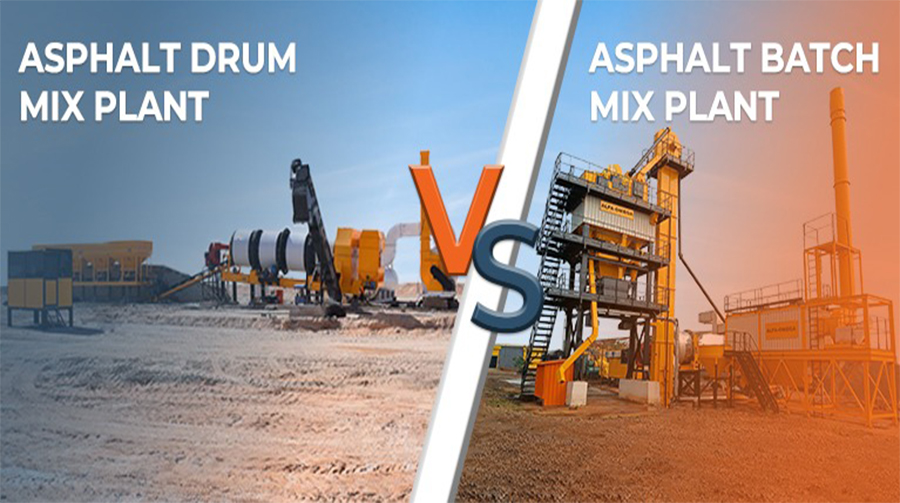
 An asphalt drum mix plant produces hot mix asphalt continuously in a single rotating drum, while an asphalt batch mix plant produces it in controlled, weighed batches. Drum mix plants suit large, high-volume projects like highways, where speed and cost matter most; batch mix plants suit projects requiring precise, varied mix designs, such as urban roads and airport runways. Both are available in capacities ranging from 45 TPH to 200+ TPH and must comply with CPCB particulate matter emission norms.
This guide compares both plant types in detail — components, working process, cost, capacity, and compliance — to help you decide which one fits your project.
An asphalt drum mix plant is a continuous mixing type plant that produces asphalt by heating and drying aggregate and then mixing it with bitumen in a drum. The process is straightforward, efficient, and cost-effective. Here’s a closer look at its key components and how it works:
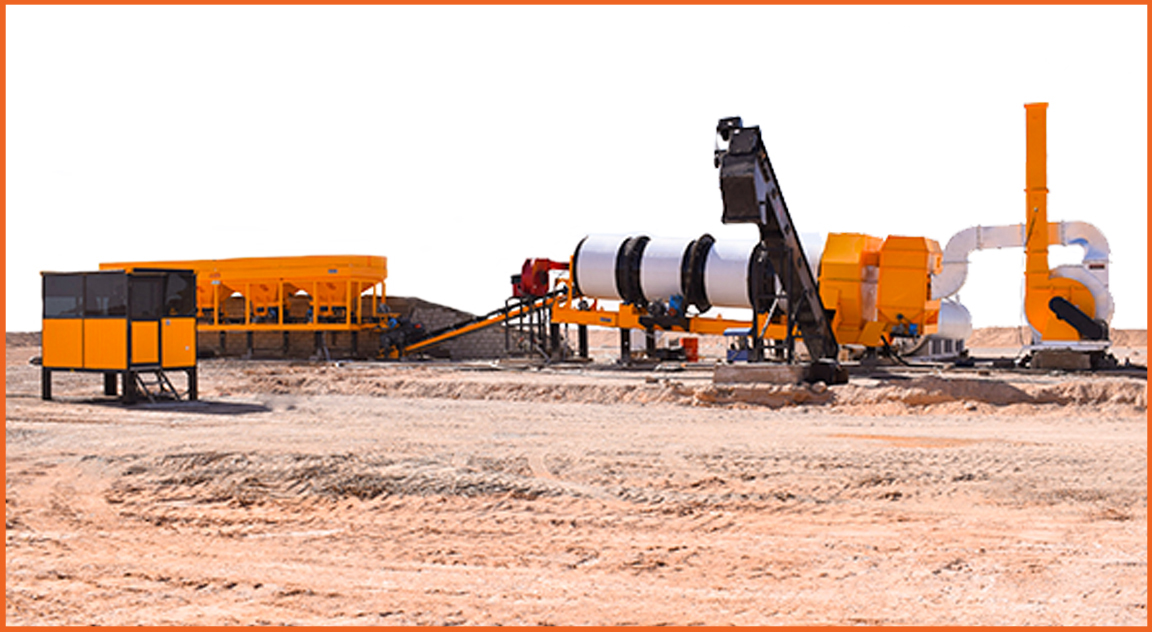
Working Process:
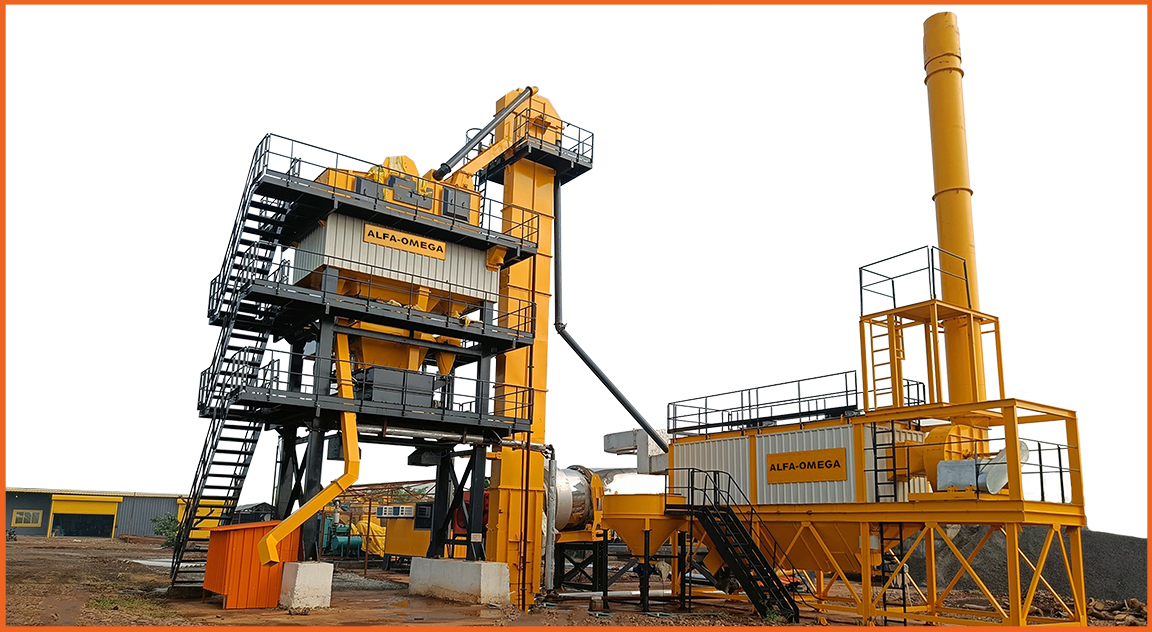
An asphalt batch mix plant produces asphalt in batches, which allows for greater flexibility in terms of mix specifications. The process involves weighing and mixing the components in separate batches. Here’s a detailed look at its components and process:
| Factor | Drum Mix Plant | Batch Mix Plant |
|---|---|---|
| Production type | Continuous | Batch cycles |
| Typical capacity | 45–120TPH | 100–240+ TPH |
| Mix flexibility | Low — fixed recipe during a run | High — change recipe batch to batch |
| Quality control | Continuous monitoring | Precise per-batch weighing |
| Approx. initial cost (India) | 38 – 60 lakh (45 – 120TPH range) | 2.31 crore – 4.95 crore+ (100–240TPH range) |
| Site space needed | Smaller footprint | Larger footprint |
| Best suited for | Highways, rural roads, large continuous stretches | Urban roads, airports, multi-spec projects |
| Pollution control | Wet scrubber or bag filter | Bag filter (pulse-jet typically) |
Advantages:
Disadvantages:
Advantages:
Disadvantages:
When deciding between an asphalt drum mix plant and an asphalt batch mix plant, consider the following factors:
Project Size and Scope: For large-scale projects with consistent mix requirements, a drum mix plant is ideal. For projects requiring varied mix specifications and high-quality control, a batch mix plant is better suited.
Budget: Consider the initial investment and operating costs. Drum mix plants are generally more cost-effective initially, while batch mix plants may offer cost savings in the long run through reduced waste and precise control.
Site Space: Evaluate the available space for the plant setup. Drum mix plants require less space, making them suitable for constrained sites.
Quality Requirements: For projects where the quality of the asphalt is paramount, batch mix plants provide better control and precision.
Flexibility Needs: If the project requires frequent changes in mix specifications, a batch mix plant offers the necessary flexibility.
Both drum mix and batch mix plants used on Indian highway and government road projects must meet MORTH (Ministry of Road Transport and Highways) specifications and CPCB emission norms for particulate matter. Most modern plants, including those from Alfa Omega India, use pulse-jet bag filters capable of capturing fine dust to well within prescribed limits. For a detailed breakdown of bag filter types and CPCB compliance, see our Bag Filter in Asphalt Plant guide. To choose the right plant size for your project, see our Asphalt Plant TPH Capacity guide.
Both asphalt drum mix plants and asphalt batch mix plants have their unique advantages and applications. Understanding the key differences and assessing your project requirements will help you make an informed decision. At Alfa Omega India, we offer a wide range of high-quality asphalt plants to meet your specific needs. Our expert team is here to guide you in selecting the right plant for your project, ensuring efficiency, quality, and cost-effectiveness.
A drum mix plant is significantly cheaper — initial cost runs roughly 38–60 lakh for 45–120 TPH models in India, compared to 2.31–4.95 crore or more for batch mix plants in the 100–240+ TPH range, due to fewer components and continuous operation.
Highway and rural road projects typically use drum mix plants in the 45–120 TPH range. Urban roads, airports, and projects needing tighter mix control often use batch mix plants from 100–240+ TPH.
Drum mix plants have limited flexibility for changing mix specifications mid-run. If your project needs multiple asphalt grades on the same site, a batch mix plant is better suited.
Yes. Both drum mix and batch mix plants require dust collection systems — typically pulse-jet bag filters — to meet CPCB particulate emission limits in India.
Drum mix plants are commonly preferred for large NHAI and state highway projects due to their continuous output and lower operating cost, while batch mix plants are often specified for urban or airport projects requiring tighter mix-design control.

Alfa Omega India is unique born global company founded in 1999 with its head office in the capital of India – New Delhi.
About More
Copyright © 2026 Alfa Omega Enterprises. All rights reserved.

 WhatsApp Chat
Request A Quote
WhatsApp Chat
Request A Quote

Leave a Reply
Your email address will not be published / Required fields are marked *